
The fascinating journey of gambling through history and its cultural impacts
The Origins of Gambling
The roots of gambling can be traced back to ancient civilizations, where games of chance were integral to societal rituals and practices. Archaeological evidence from Mesopotamia, dating as far back as 3000 BCE, reveals that dice were used in various games and divinations. These activities were not merely for entertainment; they often played a significant role in decision-making processes, reflecting the beliefs and cultural practices of those societies. One contemporary example of this expansive realm is oshicasino-canada.org, which demonstrates how far gaming has evolved.
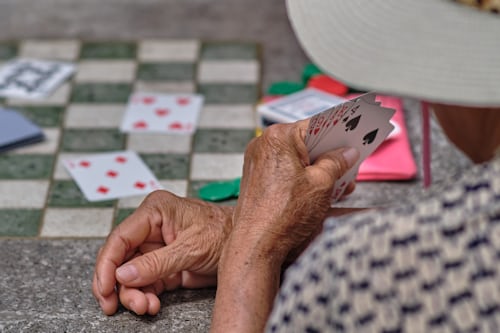
Similarly, the ancient Chinese also engaged in gambling, with records suggesting that games such as Keno were used to raise funds for the construction of the Great Wall. These early forms of gambling highlight how intertwined the practice was with community life, influencing social structures and economic exchanges. Additionally, artifacts from ancient Rome reveal that gambling was prevalent among soldiers and citizens alike, often sparking debates about morality and governance.
The fundamental allure of gambling—risk, chance, and reward—has captivated human interest throughout history. It served not only as a pastime but also as a reflection of the values and norms of various cultures. As societies evolved, so too did the methods and motivations behind gambling, paving the way for more organized forms of betting that we see today.
Gambling in the Middle Ages and Renaissance
The Middle Ages marked a notable transformation in the history of gambling, where card games became increasingly popular across Europe. By the late 14th century, playing cards had made their way to England and France, leading to a rise in both gaming houses and public betting. These games provided not just entertainment but also a means for social interaction, contributing to the cultural fabric of the time.
With the advent of the Renaissance, gambling underwent a significant reformation. The period saw the emergence of new games such as lotteries, which were often state-sponsored and used as a means for governments to raise revenues. This transition indicated a growing acceptance of gambling as a legitimate activity, despite ongoing debates about its moral implications. Gambling was no longer just a pastime for the elite; it permeated all levels of society.
Furthermore, literature from this era frequently depicted gambling, providing insight into its societal impacts. Writers like Shakespeare addressed themes of chance and fate, illustrating the cultural significance of gambling in shaping human experiences and decisions. The popularity of gambling during this time reflected broader social changes and the gradual acceptance of risk-taking as part of the human condition.
The Rise of Gambling Establishments
The 17th and 18th centuries marked a pivotal period for gambling with the establishment of formal gambling houses and casinos. Cities such as Venice and Paris became hotspots for high-stakes gambling, attracting the wealthy and adventurous alike. These venues not only offered games but also served as social hubs, where individuals gathered to network, entertain, and indulge in the thrill of chance.
As gambling gained popularity, legislation began to emerge. Governments attempted to regulate the industry by establishing rules around fair play and taxation. This period also saw the emergence of various betting games, including horse racing, which became a beloved pastime among both the aristocracy and the general public. The emergence of these organized betting systems highlighted a shift towards more structured forms of gambling.
Despite the growth of gambling establishments, they were often met with skepticism and opposition. Moralists argued against the dangers of addiction and the potential for financial ruin. Nonetheless, gambling continued to flourish, adapting to cultural trends and evolving technologies. The late 19th century saw the rise of slot machines and other mechanical gaming devices, further integrating gambling into everyday life and setting the stage for modern gaming experiences.
The Impact of Gambling on Society
The cultural impacts of gambling extend far beyond mere entertainment; they have shaped societal norms, economic structures, and even legal frameworks. In many cultures, gambling is seen as a rite of passage or a communal activity, fostering social bonds and shared experiences. Celebrations often include games of chance, which reinforce communal identity and social cohesion.
Economically, gambling generates significant revenue for governments through taxation and licensing fees. This revenue often supports public services and infrastructure, intertwining gambling with civic responsibility. However, the societal costs of gambling, such as addiction and financial distress, have led to ongoing debates about regulation and support for those affected.
Moreover, gambling has been a catalyst for broader cultural expressions in art, literature, and media. From iconic films centered around casinos to novels exploring the human psyche’s relationship with chance, gambling continues to be a compelling subject that reflects our collective struggles with fate, risk, and reward. The cultural tapestry of gambling illustrates its complex role in shaping human behavior and societal values.
Gambling Today: A Digital Revolution
In recent years, the rise of technology has transformed the gambling landscape dramatically. The emergence of online casinos and mobile betting platforms has made gambling more accessible than ever before. Players can engage in their favorite games from the comfort of their homes, which has led to increased participation across diverse demographics. This digital revolution has not only broadened the scope of gambling but has also sparked conversations about responsible gaming and consumer protection.
Modern online casinos offer a plethora of games, ranging from traditional card games to innovative slots, ensuring a thrilling experience for players. Many platforms also integrate social features, allowing users to share experiences and compete with friends, further enhancing the gambling experience. This shift towards digital has also sparked regulatory changes, prompting governments to establish guidelines to protect consumers and maintain the integrity of the gaming industry.
As we look to the future, the impact of gambling on culture and society continues to evolve. The industry is likely to adapt to changing technologies, societal attitudes, and regulatory landscapes. The fascinating journey of gambling throughout history demonstrates its enduring appeal and profound influence on human interaction, economy, and culture, and it is poised to shape our future in equally compelling ways.
Oshi Casino: A New Era in Gaming
Oshi Casino stands at the forefront of the modern gaming revolution, offering Canadian players an exceptional online gaming experience. With an expansive library that boasts over 10,000 games, players can enjoy everything from thrilling slots to engaging live dealer options. The platform’s commitment to providing a diverse range of entertainment reflects the evolution of gambling into a digital space, catering to a global audience while retaining a local feel.
In addition to its impressive game selection, Oshi Casino features enticing welcome bonuses, offering players up to C$6,000 along with 200 free spins. This generous offering is designed to enhance the gaming experience, encouraging players to explore various games while ensuring an exciting start. Furthermore, Oshi Casino prioritizes player satisfaction, providing 24/7 support and quick withdrawal options, including Interac and cryptocurrencies, reinforcing its dedication to a seamless and enjoyable user experience.
As gambling continues to evolve, platforms like Oshi Casino exemplify the integration of technology and player-focused services. By fostering a secure and engaging environment, Oshi Casino embodies the future of online gaming, making it a top choice for enthusiasts looking to explore the captivating world of digital gambling.


Recent Comments